Pros and Cons of Countertop Materials: Which One Is Right for Your Kitchen?
Choosing new countertops is one of the most important decisions you’ll make during a kitchen renovation. Your countertops affect the overall look of your kitchen, how much maintenance you’ll need to do, and how well your kitchen stands up to everyday use. Since quality countertops can last for decades, it’s worth taking the time to compare your options before making a decision.
The challenge is that every countertop material has its own strengths and weaknesses. Some are incredibly durable but require periodic maintenance. Others are virtually maintenance-free but have limitations when it comes to heat resistance or cost. So, which countertop material is right for your home? In this guide, we’ll compare the pros and cons of the most popular countertop materials to help Calgary homeowners make an informed decision based on their lifestyle, budget, and renovation goals.
Before You Compare Countertop Materials
There isn’t one countertop that’s perfect for everyone. The best material depends on several factors, including:
Your renovation budget
How often you cook
Whether you have young children
Your preferred kitchen style
How much maintenance you’re willing to perform
How long you plan to stay in your home
For example, someone who loves cooking may prioritize heat resistance, while a busy family may care more about stain resistance and easy cleaning. Thinking about how you actually use your kitchen will help you choose a countertop that fits your lifestyle—not just your design preferences.
Quartz Countertops
Pros
Quartz has become the most popular countertop material for modern kitchens because it performs exceptionally well in nearly every category.
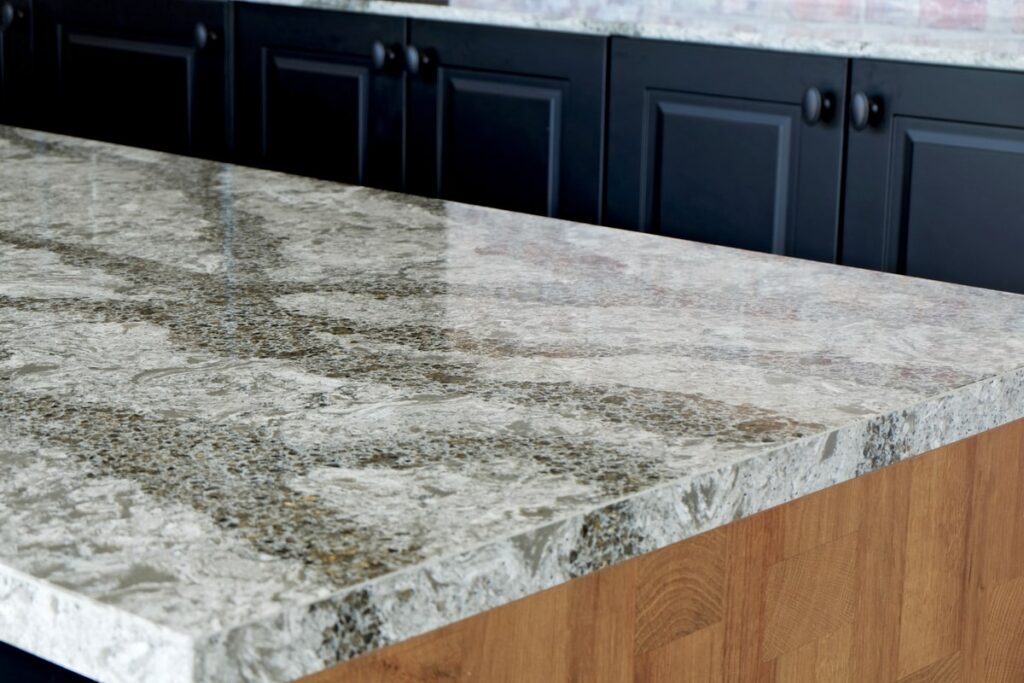
One of its biggest advantages is that it’s non-porous, meaning liquids can’t easily penetrate the surface. Coffee, wine, cooking oil, tomato sauce, and other everyday spills are much less likely to cause permanent stains, making quartz an excellent choice for busy households. Quartz is also highly resistant to scratches during normal household use. While cutting boards should always be used, accidental contact with knives, dishes, and cookware typically won’t leave noticeable damage. Unlike natural stone, quartz never requires sealing. Daily maintenance usually involves nothing more than wiping the surface with mild soap and water.
Another major benefit is its design flexibility. Quartz is available in hundreds of colours and patterns, including realistic marble-look designs, concrete finishes, and minimalist solid colours. Because it’s engineered, colours remain consistent throughout the slab, making it easier to achieve a uniform appearance in your kitchen.
Advantages
Excellent stain resistance
Highly scratch resistant
Doesn’t require sealing
Very easy to maintain
Wide variety of colours and patterns
Consistent appearance
Long lifespan
Cons
Although quartz performs exceptionally well overall, it isn’t perfect. Because quartz contains resin binders, it isn’t quite as heat resistant as natural granite. Placing an extremely hot pot or cast-iron pan directly on the surface can damage the resin or cause discoloration. Using trivets or heat pads eliminates most of this risk. Quartz can also cost more than entry-level countertop materials like laminate, although many homeowners feel the durability and low maintenance justify the investment.
Disadvantages
Less heat resistant than granite
Premium colours can increase project costs
Heavy slabs require professional installation
Best For: Busy families, low-maintenance kitchens, modern renovations, and homeowners planning to stay in their home for many years.
Granite Countertops
Pros
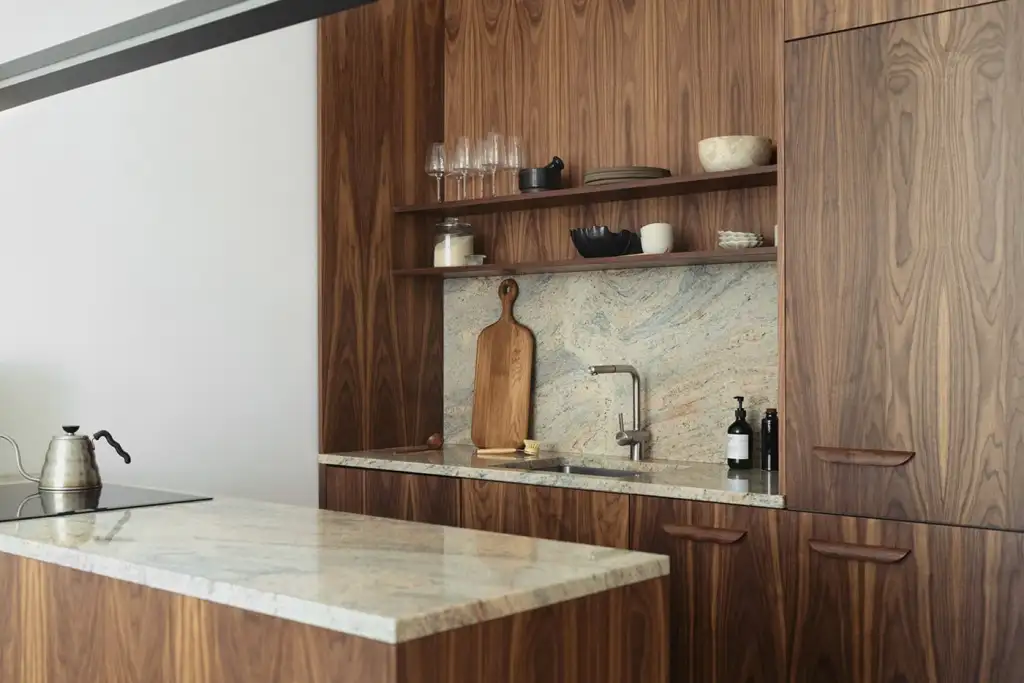
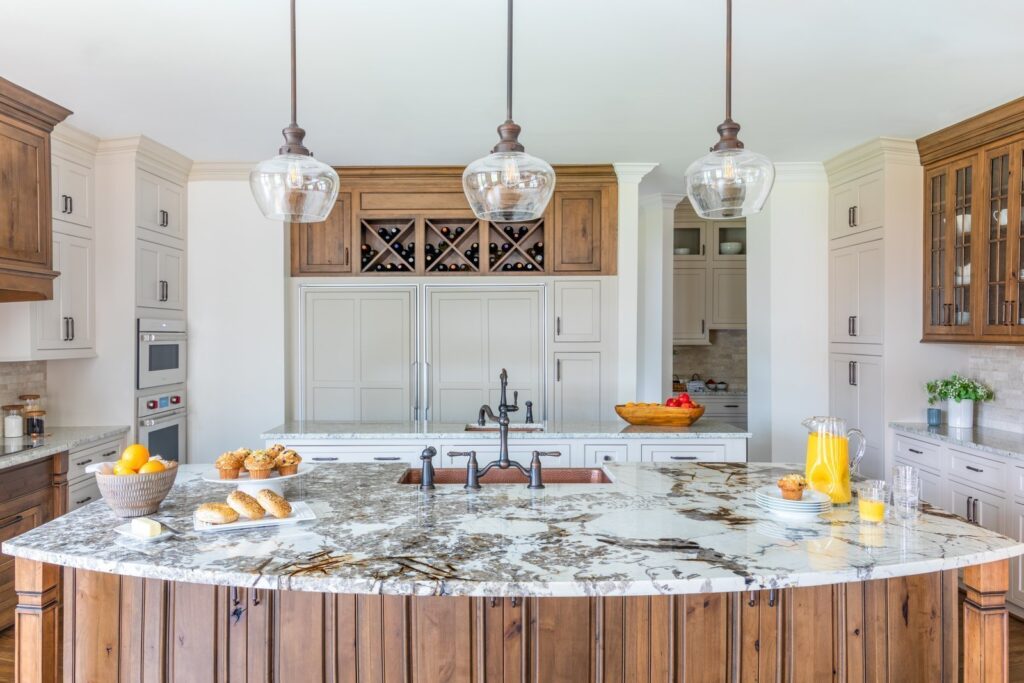
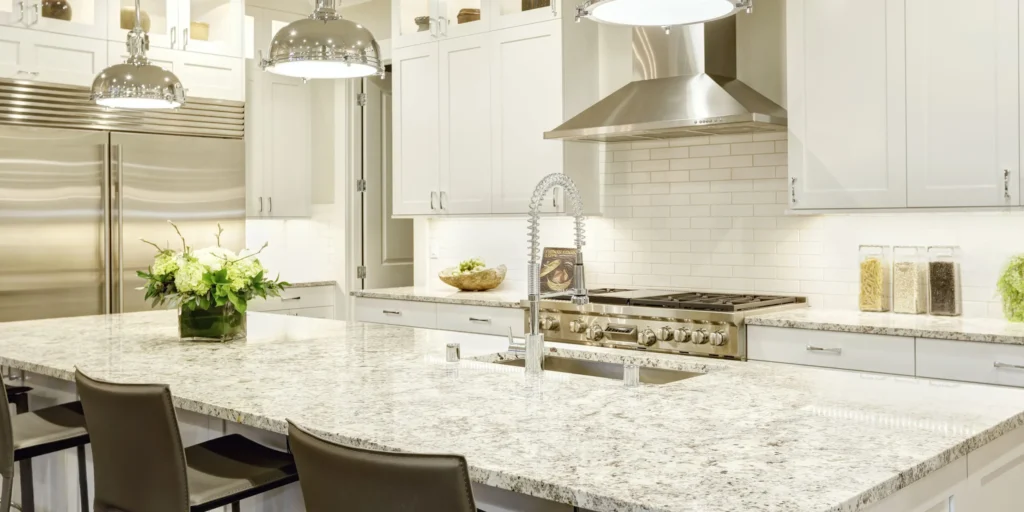
Granite remains one of the most sought-after countertop materials because of its natural beauty and exceptional durability. Every slab of granite is unique, featuring its own colours, mineral patterns, and veining. This makes granite an excellent choice for homeowners who appreciate natural materials and want a one-of-a-kind kitchen. Granite is incredibly hard and resistant to scratches under normal household use. It also handles heat exceptionally well, making it a favourite among homeowners who cook frequently. With proper care, granite countertops can easily last several decades—and often the lifetime of the home.
Advantages
Beautiful natural stone
Every slab is unique
Excellent heat resistance
Highly scratch resistant
Extremely durable
Adds long-term value
Timeless appearance
Cons
Because granite is a natural stone, it contains microscopic pores that can absorb liquids over time. To maintain its stain resistance, granite should be sealed periodically. Fortunately, modern sealers are effective and generally only need to be reapplied every few years. Granite also varies naturally from slab to slab, meaning homeowners should always view the full slab before purchasing rather than relying on a small sample.
Disadvantages
Requires periodic sealing
Natural variation means no two slabs are identical
Some premium slabs can be expensive
Best For: Homeowners who love natural stone, frequent cooks, luxury kitchens, and anyone looking for a timeless countertop.
Porcelain Countertops
Pros
Porcelain countertops are growing in popularity because they offer outstanding durability while creating a sleek, contemporary appearance. Manufactured at extremely high temperatures, porcelain is highly resistant to scratches, stains, heat, and UV rays. Unlike some countertop materials, porcelain won’t fade when exposed to direct sunlight, making it suitable for kitchens with large windows or outdoor applications. Because porcelain is non-porous, it also resists bacteria, moisture, and everyday kitchen stains without requiring sealing. Modern porcelain slabs are available in designs that convincingly mimic marble, concrete, limestone, and natural stone.
Advantages
Excellent heat resistance
Outstanding scratch resistance
UV resistant
Doesn’t require sealing
Highly stain resistant
Modern appearance
Easy maintenance
Cons
Although porcelain is extremely hard, its edges can chip if struck by a heavy object. It also requires specialized fabrication equipment and experienced installers, which can limit your choice of contractors.
Disadvantages
Edge chipping is possible
Specialized fabrication required
Limited edge profile options compared to quartz
Best For: Contemporary homes, minimalist kitchens, and homeowners seeking excellent durability with very little maintenance.
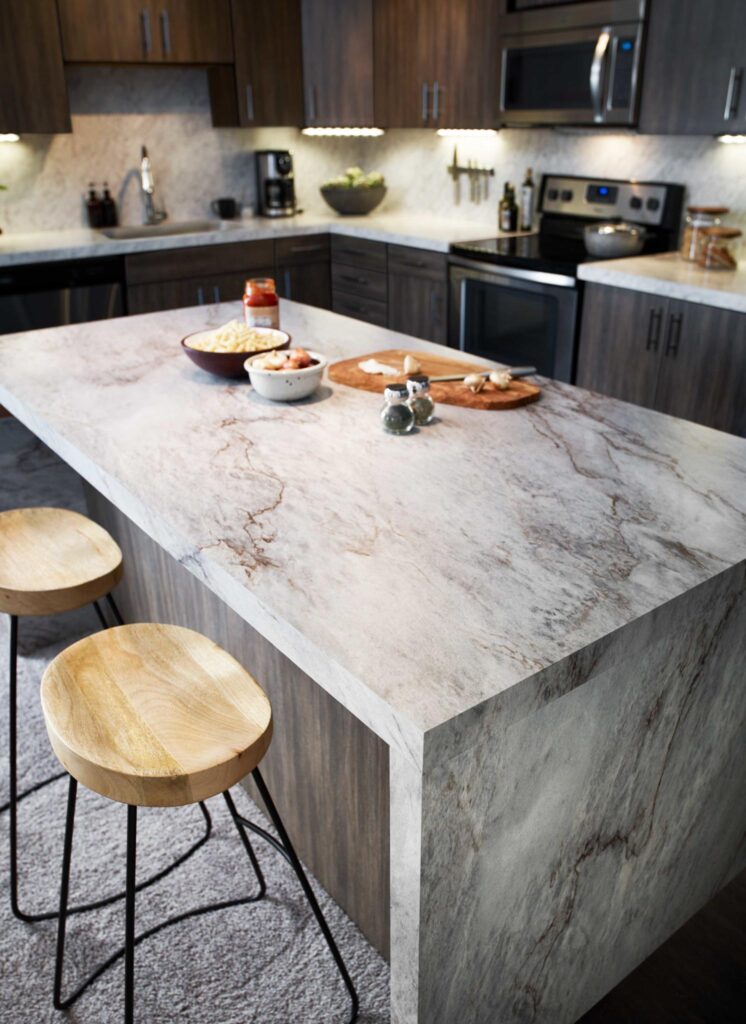
Marble Countertops
Pros
Marble has been admired for centuries because of its timeless elegance and distinctive natural veining. Few materials create the same sense of luxury. Every slab features unique movement and colour, making marble a true statement piece in any kitchen. Marble also remains naturally cool, making it particularly popular among avid bakers who regularly work with pastry and dough.
Advantages
Stunning natural appearance
Luxurious aesthetic
Unique veining
Naturally cool surface
Timeless appeal
Cons
Marble requires more maintenance than most other countertop materials. Because it’s softer than granite, it’s more susceptible to scratches and chips. It’s also prone to etching when exposed to acidic foods like lemons, vinegar, or wine, which can leave dull marks on the surface. Like granite, marble benefits from periodic sealing to help protect against staining.
Disadvantages
More susceptible to scratches
Can etch from acidic foods
Requires sealing
More maintenance than quartz or porcelain
Best For: Luxury homes, baking enthusiasts, and homeowners who value natural beauty over low maintenance.
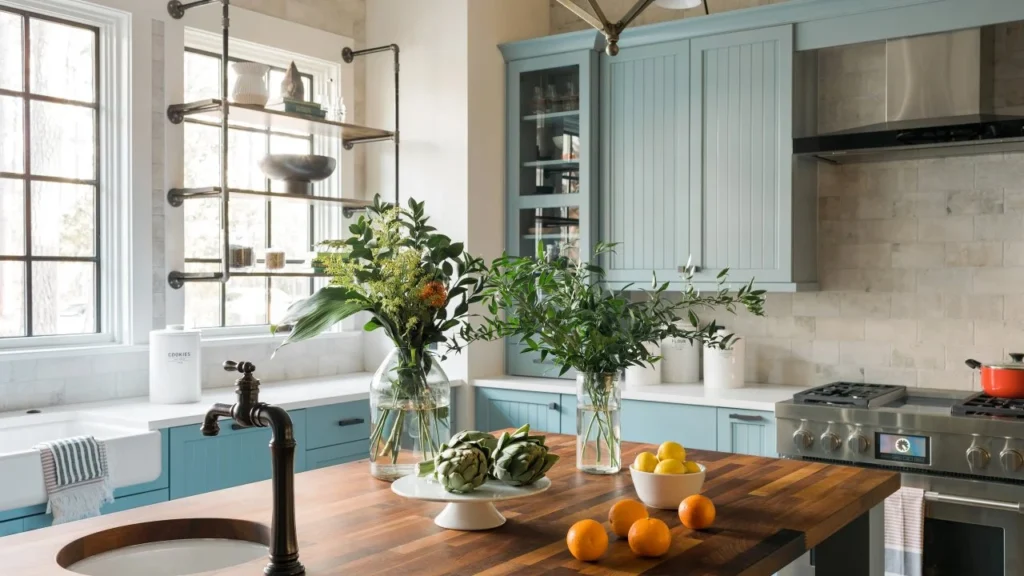
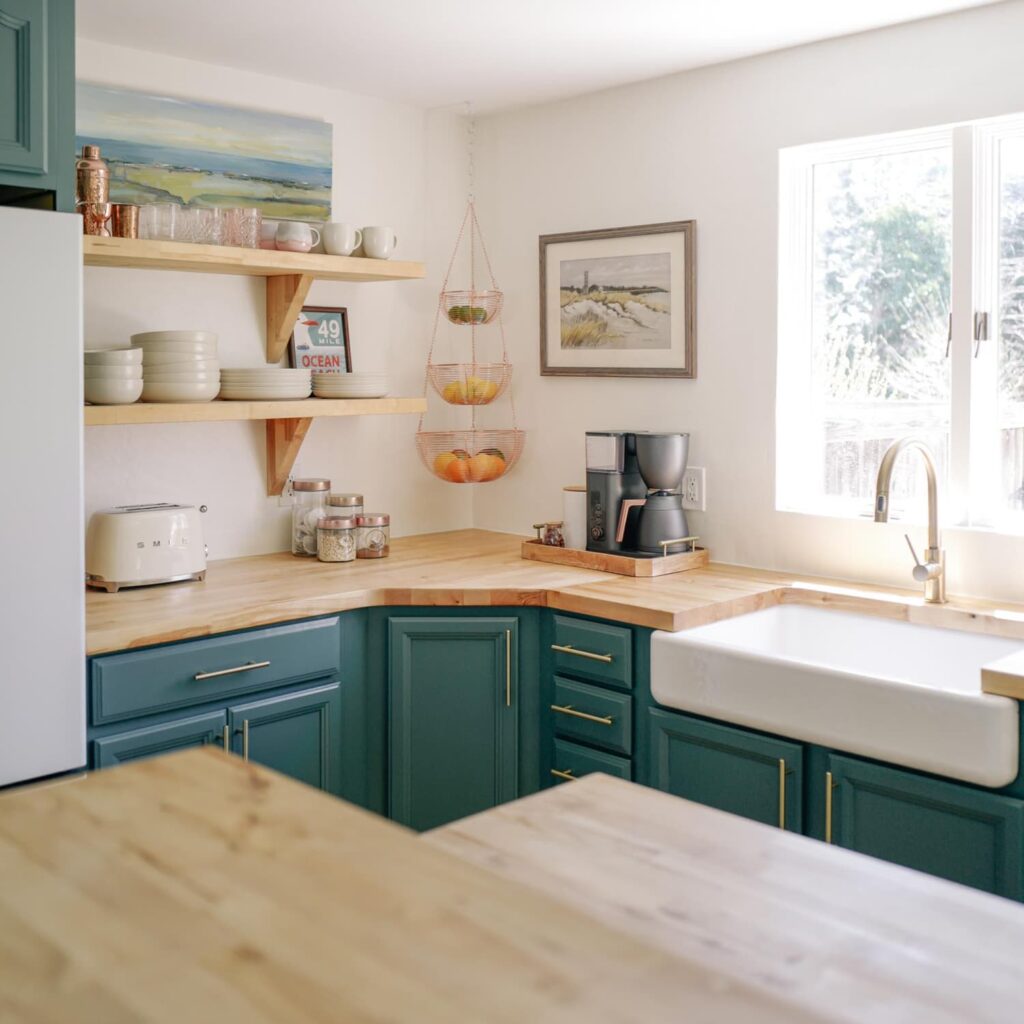
Butcher Block Countertops
Pros
Wood countertops create warmth and character that stone simply can’t replicate. Unlike most countertop materials, butcher block can be sanded and refinished if it becomes scratched or worn. This means years of use don’t necessarily require replacement—many imperfections can simply be repaired. Wood also adds a softer, more inviting feel to kitchens, making it popular in farmhouse, Scandinavian, and transitional designs.
Advantages
Warm natural appearance
Can be refinished
Repairable
Adds character
Timeless style
Cons
Wood requires regular oiling or sealing to protect against moisture. It’s also more susceptible to scratches, dents, burns, and staining than stone countertops. Standing water around sinks should be cleaned promptly to reduce the risk of warping or damage.
Disadvantages
Requires ongoing maintenance
Susceptible to scratches
Less heat resistant
Can warp if neglected
Best For: Farmhouse kitchens, rustic designs, and homeowners who appreciate natural materials.
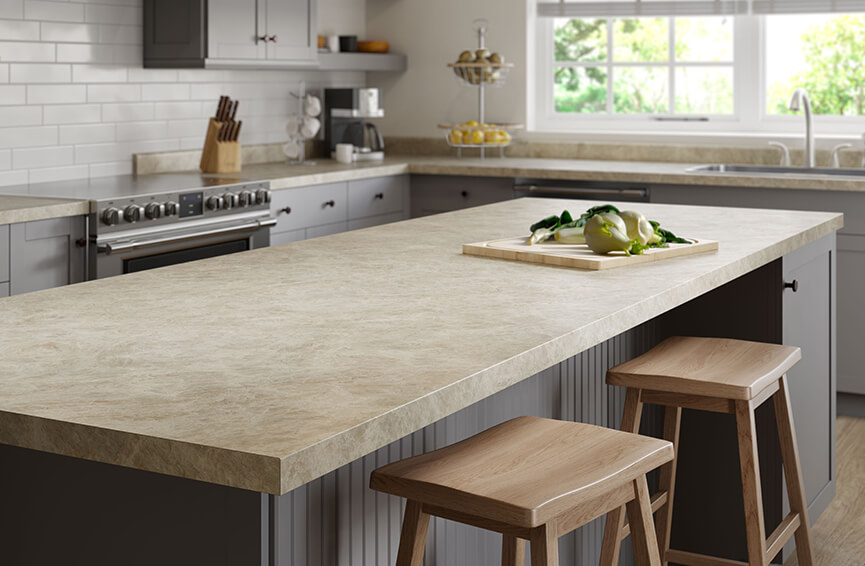
Laminate Countertops
Pros
Laminate remains one of the most affordable countertop materials available. Today’s high-pressure laminates are available in hundreds of colours and patterns, including realistic stone-inspired finishes. Laminate is also easy to clean and relatively quick to install, making it an attractive option for budget-conscious renovations.
Advantages
Affordable
Wide variety of styles
Easy maintenance
Quick installation
Cons
Although laminate has improved significantly, it doesn’t offer the same durability as stone. Sharp objects can scratch the surface, while hot cookware may cause permanent damage. Once laminate chips or burns, repairs are often difficult or impossible.
Disadvantages
Lower heat resistance
Scratches more easily
Difficult to repair
Shorter lifespan than premium materials
Best For: Budget renovations, rental properties, and secondary kitchens.
Quick Comparison
Material
Biggest Advantage
Biggest Drawback
Maintenance
Quartz
Low maintenance and stain resistant
Less heat resistant than granite
Very Low
Granite
Natural beauty and heat resistance
Requires periodic sealing
Moderate
Porcelain
Heat, UV, and stain resistance
Specialized installation
Very Low
Marble
Luxurious appearance
Etching and higher maintenance
High
Butcher Block
Warm, natural character
Requires regular maintenance
High
Laminate
Affordable
Less durable than stone
Low
Which Countertop Material Is Best?
The answer depends on your priorities. If you want the easiest countertop to own, quartz is difficult to beat. It offers excellent durability, outstanding stain resistance, and virtually no maintenance. If you prefer the beauty of natural stone and frequently cook with high heat, granite is an outstanding long-term investment. If you’re designing a sleek contemporary kitchen, porcelain combines impressive durability with a modern aesthetic. Homeowners seeking luxury may gravitate toward marble, while those who love warmth and natural texture often prefer butcher block. If affordability is your primary concern, laminate remains a practical option.
Frequently Asked Questions
Which countertop material lasts the longest?
Granite, quartz, and porcelain can all last for several decades when professionally installed and properly maintained. Granite, in particular, can last the lifetime of the home.
Which countertop is easiest to maintain?
Quartz is generally considered the easiest material to maintain because it doesn’t require sealing and its non-porous surface resists everyday stains.
Which countertop handles heat the best?
Granite and porcelain offer excellent heat resistance, making them ideal for homeowners who cook frequently. Even so, using trivets or hot pads is still recommended to protect your countertops.
Which countertop offers the best value?
For many homeowners, quartz offers the best overall value because it combines durability, low maintenance, and broad design flexibility. Granite also offers excellent long-term value thanks to its longevity and timeless appeal.
Need a Quote?
Every countertop material has advantages and trade-offs, and the best choice depends on how you use your kitchen, your maintenance preferences, and your overall renovation goals. By understanding the pros and cons of each material, you’ll be in a much better position to invest in countertops that not only look beautiful but continue performing well for decades.
At AAA Countertops, we’ve helped Calgary homeowners choose the right countertop materials for more than 18 years. Whether you’re comparing quartz, granite, porcelain, marble, or another surface, our experienced team can help you find the best option for your home, lifestyle, and budget. Contact AAA Countertops today to schedule a free consultation and explore our wide selection of premium countertop materials.
$500 Off your install or a free sink
Limited Time Offer – Call or Get a Free Estimate Today!